Reserve Funding
The 70% Funded Rule: Where It Comes From and Whether It's Enough
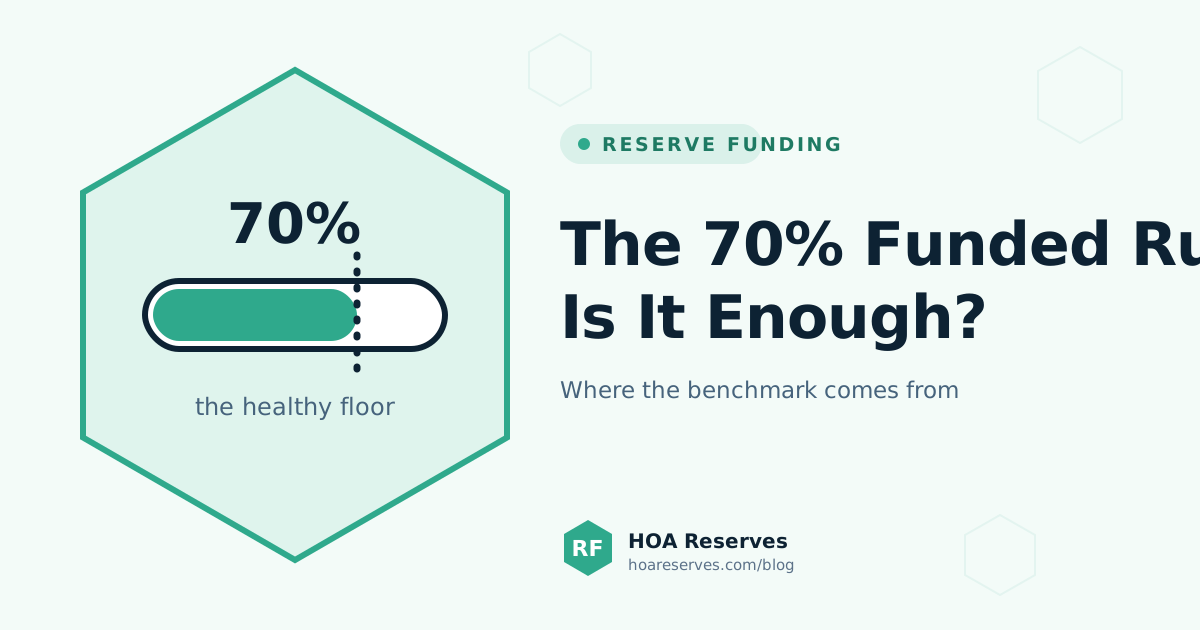
Ask any reserve specialist what a "healthy" funded level looks like and you'll hear the same number: 70%. It shows up in reserve study recommendations, lender reviews, and board meeting debates as the line between fine and worrying. But few boards know where the number comes from — or when it's the wrong target for their community.
What 70% Funded Actually Means
Quick refresher: percent funded compares your reserve balance to the deterioration your components have already accumulated (the "fully funded balance"). At 70% funded, you hold seventy cents for every dollar of wear on the books. The full mechanics are here: Percent Funded, Explained.
Note what it doesn't mean: it's not 70% of next year's expenses, not 70% of your budget, and not a cash minimum. It's a ratio against accrued wear.
Where the Benchmark Comes From
The 70% line emerged from decades of reserve industry observation of which communities end up levying special assessments. The pattern practitioners consistently report:
- Above ~70% funded: special assessments are rare. The cushion absorbs early failures and cost overruns.
- Below ~30% funded: assessments become more likely than not when major components come due.
- In between: risk scales with the shortfall and with how soon big expenses hit.
So 70% isn't a law of nature — it's an actuarial-style observation: the level at which the cushion has historically been thick enough to absorb normal bad luck. That's also why it became the default floor in threshold funding strategies.
When 70% Is Enough
For a community with a reasonable spread of component lives — some expenses near, some far — 70% provides genuine protection. If a roof fails two years early or a paving bid comes in 20% high, the fund bends instead of breaking. Most associations that hold 70%+ and update their study on schedule go decades without an assessment.
When 70% Isn't Enough
The benchmark has blind spots, and they matter:
Expense clustering. Percent funded is a single ratio; it can't see timing. A 72%-funded community whose roofs, paving, and pool all come due in the same three-year window can still run out of cash mid-cluster. The cash-flow projection in your reserve study matters as much as the headline ratio.
Aging communities. At 30+ years old, nearly everything is in the back half of its life. There's little time to recover from a surprise, so older communities should aim well above 70% — many specialists push them toward full funding.
Trajectory. 70% and climbing is healthy; 70% and dropping three points a year is a countdown. Always read the number against your last two studies.
Structural exposure. Buildings subject to structural reserve requirements (like Florida's SIRS) face non-deferrable expenses where shortfalls aren't an option.
What Your Board Should Do With This
- Find your current percent funded in your latest study — and the figure from the study before it.
- If you're below 70%, treat the gap as a scheduled problem and build gradual catch-up increases into the budget. (Warning signs and the recovery playbook.)
- If you're at or above 70%, check the expense timeline for clusters before relaxing.
- Adopt the target formally as board policy — a documented threshold strategy is both good planning and good fiduciary cover.
70% is a fine floor and a poor ceiling. For the full framework on setting goals and contributions, see the pillar guide: HOA Reserve Funding: How Much to Save and How to Get There.